
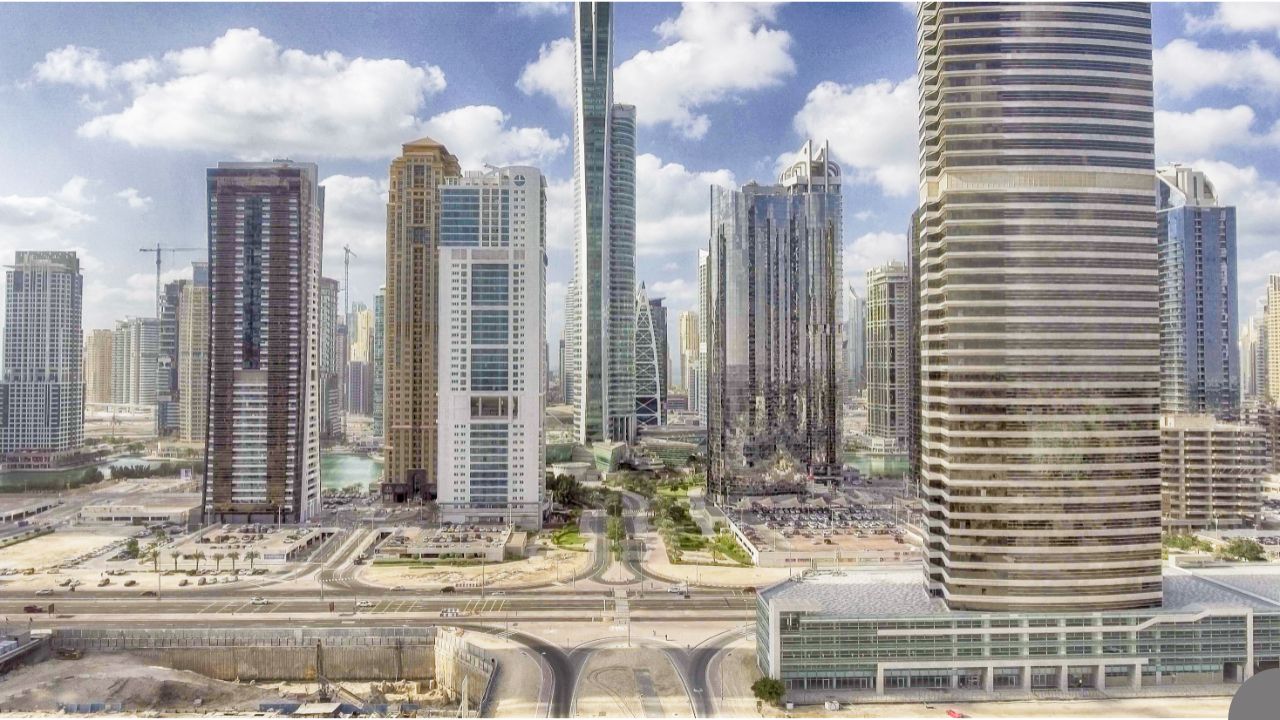
Introduction to Moving in Jumeirah Lakes Towers
Moving in Jumeirah Lakes Towers (JLT) requires detailed planning due to its high-rise environment, strict building management rules, and heavy daily traffic. As one of Dubai’s most popular mixed-use communities, JLT hosts thousands of residents and businesses across dozens of towers. Without proper preparation, a move here can quickly become stressful and time-consuming. This is often why hire a moving company becomes an important consideration, as experienced professionals understand the access rules, parking limitations, and approval processes unique to JLT.
Understanding the JLT Community Layout
Jumeirah Lakes Towers is divided into clusters identified by letters, with each cluster containing multiple residential and commercial towers. While the layout is well-organized, it can be confusing for newcomers. Each cluster has specific entry and exit points, basement parking levels, and security checkpoints. Knowing your exact tower location, nearest access road, and cluster parking setup in advance helps avoid delays on moving day and ensures vehicles reach the correct destination without unnecessary detours.
Access Rules and Security Procedures
Access control is one of the most important aspects of moving in JLT. Security staff at cluster entrances and individual towers are responsible for monitoring all vehicle movements. Most buildings require advance notice before allowing moving trucks to enter. Security may ask for identification, vehicle details, and proof of approval from building management. Without these documents, access can be denied, forcing vehicles to wait outside the cluster and disrupting the entire moving schedule.
Required Permits and Building Approvals
Almost all JLT towers require move-in or move-out permits. These permits are usually issued by building management after submitting tenant details, Emirates ID copies, and moving dates. Some towers also request a refundable security deposit to cover potential damage to common areas such as elevators and corridors. Completing these formalities several days before the move is essential, as last-minute requests are rarely approved.
Parking Challenges and Loading Arrangements
Parking is limited in JLT, particularly during peak office hours. Visitor parking is typically paid and restricted to short durations, while basement parking is reserved for tenants. Moving trucks are not allowed to park randomly and may be fined if they block access roads. Some towers provide designated loading bays, but these must be booked in advance. Planning parking and loading arrangements ahead of time prevents delays and avoids fines or complaints.
Best Timing for a Smooth JLT Move
Choosing the right time to move can significantly reduce stress. Many JLT towers restrict moving activities to specific hours, often outside normal business times. Early mornings, evenings, or weekends are usually preferred. Weekday moves during peak hours can be challenging due to traffic congestion and limited elevator availability. Confirming approved moving times with building management ensures compliance and minimizes disruption to other residents and tenants.
Elevator Booking and Usage Guidelines
Elevator access is a critical factor in JLT moves. Most towers require advance booking of service or freight elevators for moving furniture and large items. Passenger elevators are generally not permitted for this purpose. Protective padding may also be mandatory to prevent damage. Failing to reserve elevators can result in long waiting times, extending the move and increasing overall costs.
Business Moves and Office Considerations in JLT
For companies operating in JLT, an office relocation involves additional planning and coordination. Commercial towers often enforce stricter rules, including limited loading windows and specific freight elevator usage. IT equipment, files, and office furniture must be moved carefully to avoid damage and downtime. Coordinating approvals, access, and logistics in advance helps businesses maintain productivity while complying with tower regulations.
Residential Moving Tips for JLT Tenants
Residential moves in JLT also benefit from clear communication and preparation. Informing building management, security, and neighbors in advance helps create a cooperative environment. Residents should label boxes clearly, pack essentials separately, and keep personal documents accessible. Coordinating with security staff on moving day ensures smoother access, especially in busy clusters with high foot traffic.
Common Mistakes to Avoid When Moving in JLT
One of the most common mistakes people make is underestimating the complexity of moving in JLT. Skipping permit applications, ignoring elevator booking requirements, or choosing oversized trucks can lead to delays and penalties. Another frequent issue is poor timing, such as attempting to move during peak business hours. Avoiding these mistakes through proper planning can save time, money, and unnecessary stress.
Moving in Jumeirah Lakes Towers is manageable when approached with the right information and preparation. Understanding access rules, securing permits, planning parking, and booking elevators in advance are all essential steps. Whether relocating a home or a business, careful coordination ensures a smooth transition. With the right strategy, a JLT move can be efficient, compliant, and far less stressful than expected.